Charlie Rose:
So we talk about artists; filmmaker, innovator, director, storyteller --
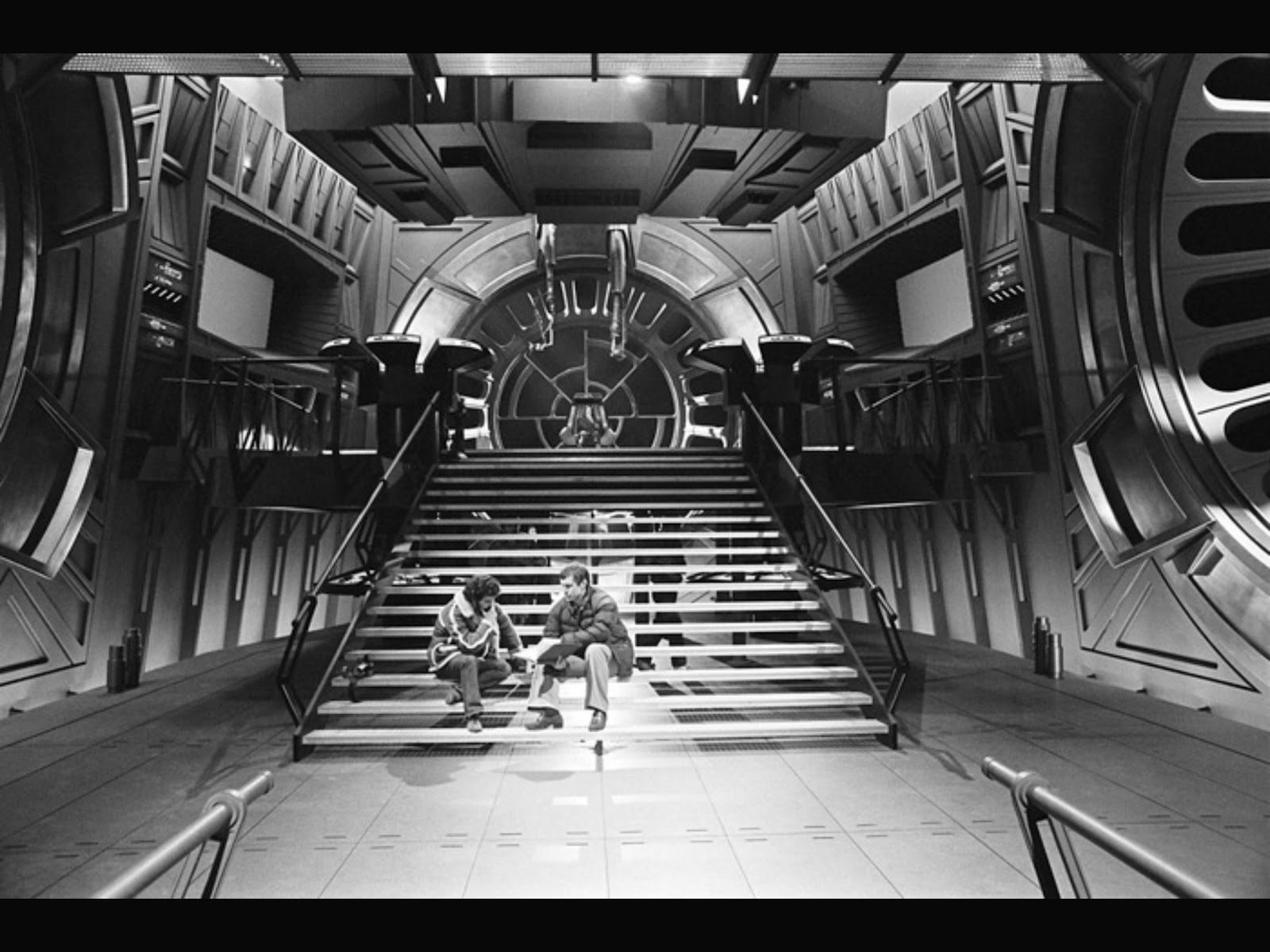
George Lucas:
Well, A Director is just somebody who's got a fetish
George Lucas:
Well, A Director is just somebody who's got a fetish
with making The World to be the way
he wants it to be, sort of narcissistic.
Charlie Rose:
That's you?
George Lucas:
All directors, they're no different.
Charlie Rose:
And you're A Director.
George Lucas:
Yes. All directors are -- they're vaguely like Emperors, which is I want to build the society to be -- to reflect me and what I want. And the great thing about -- you don't have to kill a lot of people and build a lot of stuff and spend a lot of money if you're a king and want to do that. It's good for society, obviously.
Charlie Rose:
That's you?
George Lucas:
All directors, they're no different.
Charlie Rose:
And you're A Director.
George Lucas:
Yes. All directors are -- they're vaguely like Emperors, which is I want to build the society to be -- to reflect me and what I want. And the great thing about -- you don't have to kill a lot of people and build a lot of stuff and spend a lot of money if you're a king and want to do that. It's good for society, obviously.
But A Director can do it with a lot less money and just say
"I'm going to create a world where people can fly."
Charlie Rose:
So what do "Star Wars" and "Indiana Jones" say about the world you want to create?
George Lucas:
Well, "Star Wars" and "Indiana Jones" were basically put together -- especially "Star Wars" more than "Indiana Jones" -- "Indiana Jones" was just done for fun to entertain people. And there were some messages in there about archeology and also what we believe in terms of myths and that sort of thing. But the real one is "Star Wars," and that was done in the same vein that what I was saying about the patron creates the propaganda and what I wanted to do was go back to some of the older propaganda, which was consistent through all the societies, which is mythology, but to say what do they all believe?
Because they were all -- this propaganda
Charlie Rose:
So what do "Star Wars" and "Indiana Jones" say about the world you want to create?
George Lucas:
Well, "Star Wars" and "Indiana Jones" were basically put together -- especially "Star Wars" more than "Indiana Jones" -- "Indiana Jones" was just done for fun to entertain people. And there were some messages in there about archeology and also what we believe in terms of myths and that sort of thing. But the real one is "Star Wars," and that was done in the same vein that what I was saying about the patron creates the propaganda and what I wanted to do was go back to some of the older propaganda, which was consistent through all the societies, which is mythology, but to say what do they all believe?
Because they were all -- this propaganda
was created independently.
Charlie Rose:
Yes.
George Lucas:
And what are the things that they all actually believe? We're talking about relationships with your father, relationships with your society, relation to your history, relationships with the gods, all of this stuff is -- it's old. But there are psychological motifs that were created through storytelling, primarily oral storytelling, that explained what they believed in and who they believed in.
So what I wanted to do is go back and find the psychological motifs that underlined that because those grow out of a popularism and to say that not all but a majority of people -- boys -- have a certain psychological relationship with their fathers.
And that's been going on through history.
And trying to explain that, to say we know your darkest secret and, therefore, you're part of us because we all know the same things.
We know what you're thinking about your mother.
We know what you think about your brother.
We know what you think about your father, really.
And those are the things that make people say, hey, this is why we believe this stuff.
And, again, the crudest part of that in terms of the religious/spiritual thing is some people have taken those ideas and then distorted them.
And you end up in a cult, where they're using the psychological tools to make you adhere to their society. And part of it is they have to keep it closed.
Charlie Rose:
And to them.
George Lucas:
And to them. But it's the same thing. I mean -- and again, you go through history, you know, and even though in most cases you had open societies, but they really were because you were going to kill the people to go outside the wall. So let's build a wall all around the whole thing so we can defend ourselves. So they were self-fulfilling, isolated human events.
Charlie Rose:
Because you wear -- have worn all these hats, though -- filmmaker, director, storyteller, writer, a technological innovator -- what do you want the first line of your obituary to say?
George Lucas:
"I was a great dad." Or, "I tried."
Charlie Rose:
Yes.
George Lucas:
And what are the things that they all actually believe? We're talking about relationships with your father, relationships with your society, relation to your history, relationships with the gods, all of this stuff is -- it's old. But there are psychological motifs that were created through storytelling, primarily oral storytelling, that explained what they believed in and who they believed in.
So what I wanted to do is go back and find the psychological motifs that underlined that because those grow out of a popularism and to say that not all but a majority of people -- boys -- have a certain psychological relationship with their fathers.
And that's been going on through history.
And trying to explain that, to say we know your darkest secret and, therefore, you're part of us because we all know the same things.
We know what you're thinking about your mother.
We know what you think about your brother.
We know what you think about your father, really.
And those are the things that make people say, hey, this is why we believe this stuff.
And, again, the crudest part of that in terms of the religious/spiritual thing is some people have taken those ideas and then distorted them.
And you end up in a cult, where they're using the psychological tools to make you adhere to their society. And part of it is they have to keep it closed.
Charlie Rose:
And to them.
George Lucas:
And to them. But it's the same thing. I mean -- and again, you go through history, you know, and even though in most cases you had open societies, but they really were because you were going to kill the people to go outside the wall. So let's build a wall all around the whole thing so we can defend ourselves. So they were self-fulfilling, isolated human events.
Charlie Rose:
Because you wear -- have worn all these hats, though -- filmmaker, director, storyteller, writer, a technological innovator -- what do you want the first line of your obituary to say?
George Lucas:
"I was a great dad." Or, "I tried."

No comments:
Post a Comment