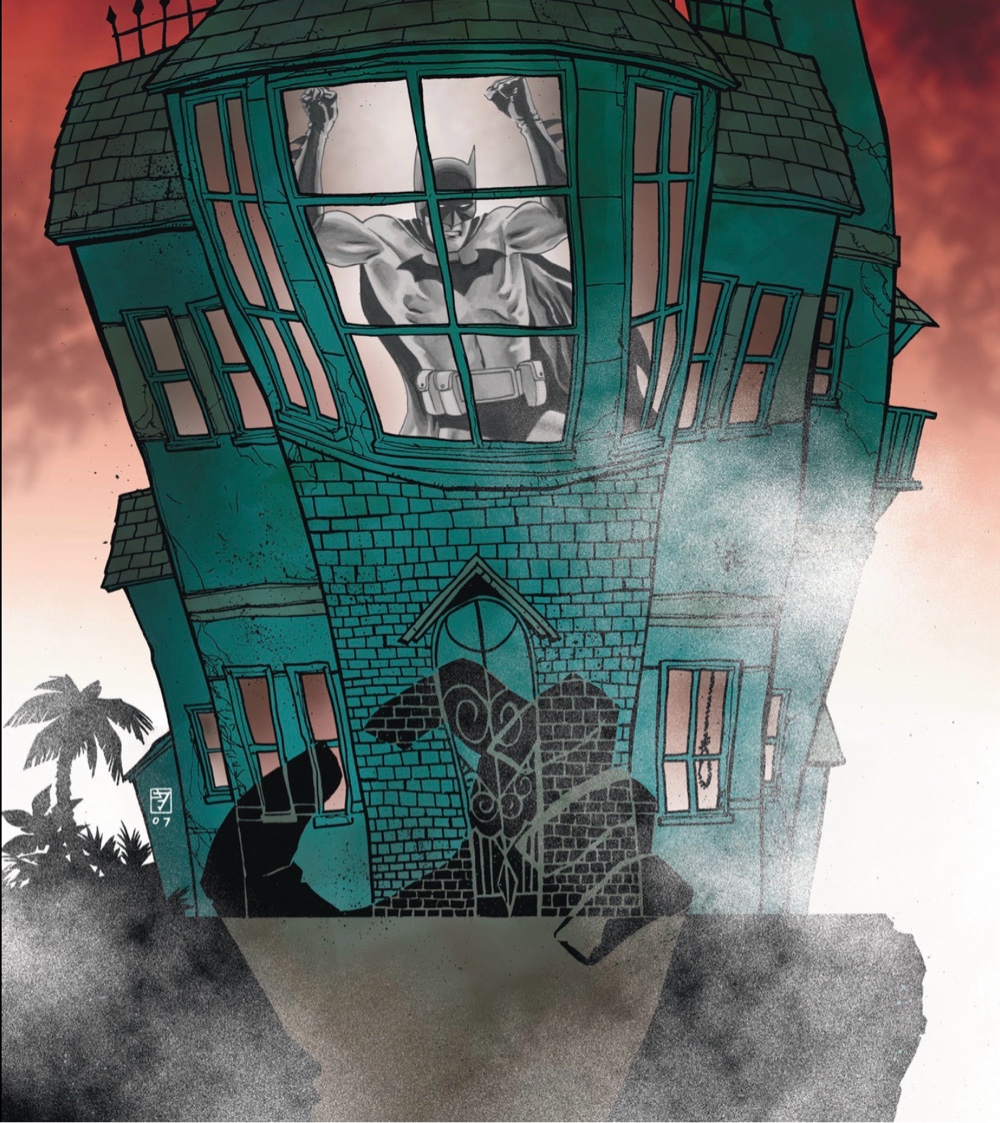
Laura Palmer:
My Secret Diary...
There are pages missing.
Harold Smith:
Who would DO that?
Laura Palmer:
— BOB.
Harold Smith:
…. But, BOB is not real.
Laura Palmer:
….. There are
pages torn out!
That is REAL, Harold!
Harold Smith: (not Coping)
……Okay, okay, maybe...
Laura Palmer:
— BOB is real!
……He's been having me
since I was Twelve.
And,
The Diary was hidden too well.
There is no other person
who could have known
where it was.
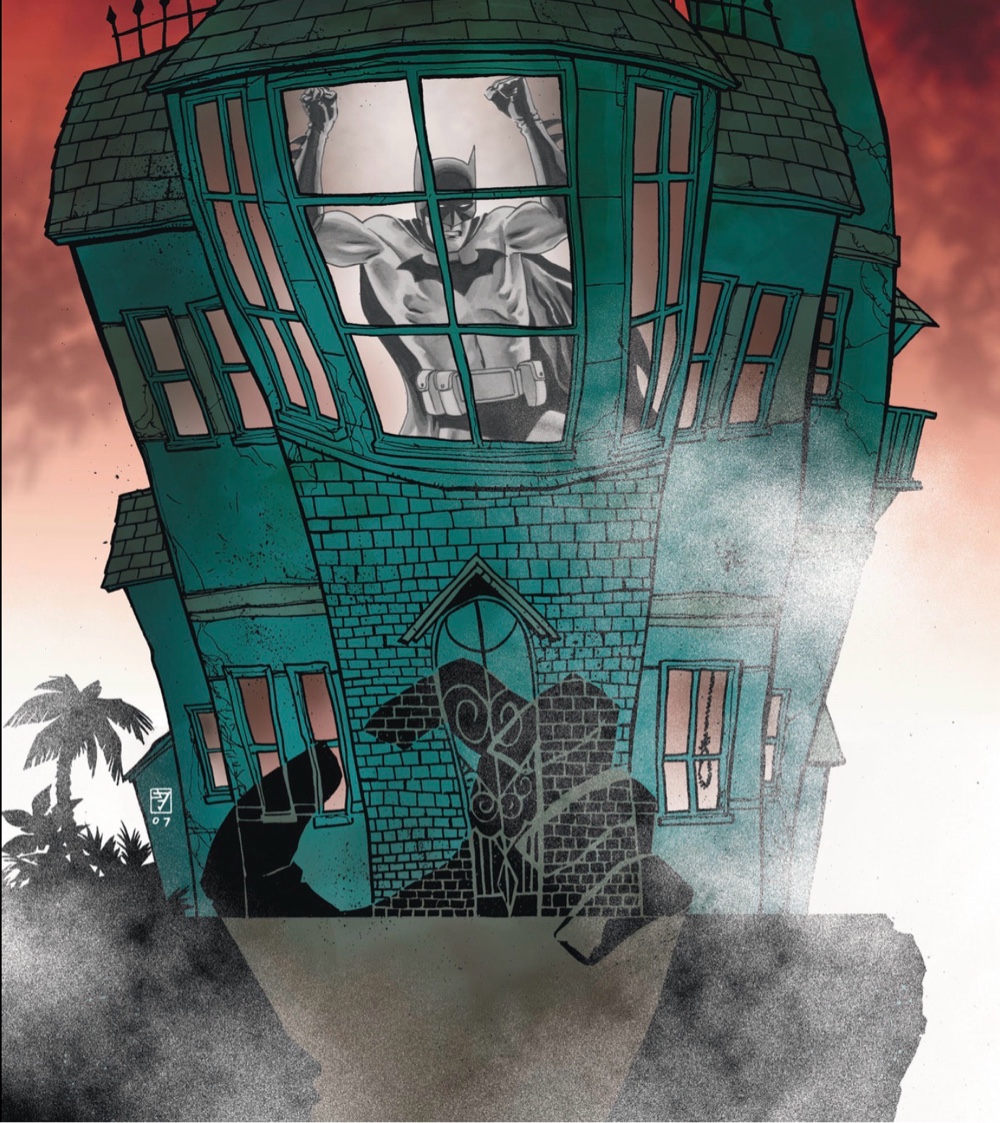
…….He comes in
through My Window
at night.
He's real. He's getting
to know me now….
He speaks to me.
Harold Smith:
— What Does BOB Say?
[ Ya had to ask….]
Laura Palmer:
…… HE says He
wants to Be Me
or HE’ll KILL Me.
Harold Smith:
……No. …..No!
Laura Palmer:
YES! Yes.
Harold Smith:
What? Please, what?
Laura Palmer:
(losing grip on Her Rage)
— FIRE...
WALK...
with...
ME……
BOB :
— ME!
“When Blue Velvet was released, Lynch was criticised for the voyeuristic way in which he depicted sexual violence and the rape of Isabella Rossellini’s character Dorothy Vallens. The reaction was so strong that the film was picketed by protestors when it opened in London. Lynch responded by arguing that he was just being true to his characters. He did not agree with the assumption that Dorothy Vallens could be viewed as a representative of every woman. Thinking like this, in his view, prevented you from creating specific singular characters. ‘Suddenly, if it’s a Black man, he represents all Black men,’ he complained. ‘If it’s a woman, she represents all women. If it’s a kid, it’s all kids. And they just go to town on you.’ Speaking to the writer Chris Rodley in 1997, Lynch described ‘political correctness’ as ‘almost an evil, satanic plot! It’s a diabolical thing. It’s this false way of not offending anyone.’
Lynch’s way of working, as we’ve noted, was bottom-up. It started with an idea, and this generated characters that he strived to depict as faithfully as he could. Larger, top-down concerns, such as the overall depiction of women in American films in the 1980s, did not factor into this. He had very little interest in politics and, with the exception of Dune, his films did not concern themselves with the larger society outside of his characters’ world. He showed little interest in interrogating the assumptions and prejudices that shaped him as a child, through which his ideas emerge. He believed that problems needed to be solved at the level of The Individual, and he seemed lost or baffled by society-level issues that prevented this. The question of why people do bad things runs through Lynch’s work.
As is often noted, sexual abuse and violence against women occurs constantly in his films. Typically, he struggles to condemn The Abusers and instead is more interested in exploring what makes them behave as they do. Many of his Killers and Abusers – including Frank Booth from Blue Velvet, Fred Madison from Lost Highway, Diane Selwyn from Mulholland Drive and even the chicken-bothering monkey in a suit from the Netflix short film What Did Jack Do? – are motivated by love, albeit love that has soured into something toxic, jealous and controlling. After it was revealed that Laura Palmer was raped and murdered by her own father, Twin Peaks went on to redeem him. Leland Palmer was not responsible for his own actions, we were told, because he was possessed by an evil external entity called BOB. On paper this looks like it should be easy to condemn, but Lynch’s refusal to fall into simplistic black and white thinking makes it more difficult in practice. After Twin Peaks: Fire Walk with Me, Lynch received many letters from young women who had been abused by their own fathers who were puzzled by how he could understand what this was like. As the writer Chris Rodley notes, ‘Despite the fact that the perpetration of both incest and filicide was represented in the “abstract” form of Killer BOB, it was recognised as faithful to the subjective experience.’ It is notable that Lynch-fandom usually skews female.
When Lynch thinks about Society rather than The Individual, he is noticeably less assured. ‘It’s nothing to do with right wing or left wing,’ he said in the late 1990s, discussing the perennial belief that the world was going to pot. ‘We’ve got to contain everything long enough to get a new plan, and that plan has got to recognize all voices. Maybe it means having the police in the streets everywhere for five years, just to prevent anything horrible happening while we get it together and make everything fair.’ Arguing that five years of martial law is a reasonable solution is a style of thinking reminiscent of Donald Trump.
Despite the two men having very different personalities, they are both people who are, ultimately, led by intuition rather than intellect. Although he had previously voted for Bernie Sanders, Lynch told the Guardian journalist Rory Carroll that he was ‘undecided’ about President Trump. ‘He could go down as one of the greatest presidents in history because he has disrupted the thing so much,’ he said. ‘No one is able to counter this guy in an intelligent way.’ Trump then picked up on these comments, seeing them as proof that he was secretly loved by the Hollywood elite. He read them out at a rally in South Carolina in June 2018, telling his supporters that David Lynch, ‘the great filmmaker’ and ‘a Hollywood guy’, risked ending his career by making these comments. Trump, being Trump, mixed up Lynch’s name with his own and mistakenly proclaimed to the crowd, ‘David Lynch could go down as one of the greatest Presidents in history!’ The crowd cheered regardless.
Lynchian :
The Spell of David Lynch

No comments:
Post a Comment