 |
handsome(adj.)
c. 1400, handsom "easy to handle, ready at hand," from hand (n.) + -some (1). Sense extended to "fit, appropriate" (1550s, implied in handsomely), then "having fine form, good-looking, agreeable to the eye" (1580s). The meaning "generous, on a liberal scale" (of rewards, etc.) is recorded by 1680s.
[Americans] use the word "handsome" much more extensively than we do: saying that Webster made a handsome speech in the Senate: that a lady talks handsomely, (eloquently:) that a book sells handsomely. A gentleman asked me on the Catskill Mountain, whether I thought the sun handsomer there than at New York. [Harriet Martineau, "Society in America," 1837]
Bartlett (1848) quotes Webster (the lexicographer) on this colloquial American use of handsome: "In general, when applied to things, it imports that the form is agreeable to the eye, or to the taste; and when applied to manner, it conveys the idea of suitableness or propriety with grace." Related: Handsomeness. For sense development, compare pretty (adj.), fair (adj.). Similar formation in Dutch handzaam "tractable, serviceable."
Handsome is founded upon the notion of proportion, symmetry, as the result of cultivation or work; a handsome figure is strictly one that has been developed by attention to physical laws into the right proportions. It is less spiritual than beautiful; a handsome face is not necessarily a beautiful face. [Century Dictionary, 1895]
Related entries & more
Advertisement
handsomely(adv.)
1540s, "conveniently," from handsome + -ly (2). Meaning "attractively" is from 1610s; "liberally, generously" from 1735.
Related entries & more
handmaid(n.)
"female servant," c. 1300, from hand (n.) in the sense in close at hand + maid. Compare Old English handþegn "personal attendant" and the original sense of handsome.
Related entries & more
beau(n.)
"attendant suitor of a lady," 1720, from French beau "the beautiful," noun use of an adjective, from Old French bel "beautiful, handsome, fair, genuine, real" (11c.), from Latin bellus "handsome, fine, pretty, agreeable" (see belle). The meaning "man who attends excessively to dress, etiquette, etc.; a fop; a dandy" is from 1680s, short for French beau garçon "pretty boy" (1660s). Plural is beaus or beaux. Beau Brummel, arbiter of men's fashion in Regency London, was George B. Brummel, gentleman (1778-1840).
Related entries & more
Formosa
old name of Taiwan, given by the Portuguese, from Portuguese Formosa insula "beautiful island." The adjective is from the fem. of Latin formosus "beautiful, handsome, finely formed," from forma "form, shape" (see form (n.)). Related: Formosan (1640s).
Related entries & more
Advertisement
tall(adj.)
"having a relatively great stature, high in proportion to breadth," 1520s, originally of persons; by 1540s of things, probably from otherwise obsolete Middle English tal "handsome, good-looking;" also "valiant," from Old English getæl "prompt, active," from Germanic *(ge)-tala- (source also of Old High German gi-zal "quick," Gothic un-tals "indocile").
The sense of "being of more than average height (and slim in proportion to height)" probably evolved out of earlier meanings "brave, valiant, seemly, proper" (c. 1400), "attractive, handsome" (late 14c.), also "large, big" (mid-14c.), as sometimes in Modern English, colloquially.
The sense evolution is "remarkable," says OED (1989), but it notes that adjectives applied to persons can wander far in meaning (such as pretty, buxom, German klein "small, little," which in Middle High German meant the same as its English cognate clean (adj.)).
The meaning "having a (defined) height," whether lofty or not is from 1580s. The meaning "exaggerated" (as in tall tale) is American English colloquial attested by 1846. Phrase tall, dark, and handsome is recorded by 1841. Related: Tallness.
Related entries & more
embellish(v.)
mid-14c., "to render beautiful," from Old French embelliss-, stem of embellir "make beautiful, ornament," from assimilated form of en- (see en- (1)) + bel "beautiful," from Latin bellus "handsome, pretty, fine" (see belle). Meaning "dress up (a narration) with fictitious matter" is from mid-15c. Related: Embellished; embellishing.
Related entries & more
lusty(adj.)
early 13c., "joyful, merry;" late 14c., "full of healthy vigor," from lust (n.) + -y (2). Used of handsome dress, fine weather, good food, pleasing language, it largely escaped the Christianization and denigration of the noun in English. The sense of "full of desire" is attested from c. 1400 but seems to have remained secondary. Related: Lustily; lustiness.
Related entries & more
braw(adj.)
"handsome, worthy, excellent," a Scottish English formation and pronunciation of brave.
Related entries & more
bene-
sometimes beni-, word-forming element meaning "well," from Latin bene (adv.) "well, in the right way, honorably, properly," from PIE *dwenelo-, suffixed (adverbial) form of root *deu- (2) "to do, perform; show favor, revere." Opposed to mal-. From the same source come Latin bonus "good," bellus "handsome, fine, pretty," and possibly beatus "blessed," beare "to make blessed."
Related entries & more
Kenneth
masc. proper name, Scottish, from Gaelic Caioneach, literally "handsome, comely."
Related entries & more
Advertisement
viceroy(n.)
"person ruling as representative of a sovereign, governor of a colony ruling in the name of a king or queen," 1520s, from French vice-roy, from Old French vice- "deputy" (see vice-) + roi "king," from Latin regem (nominative rex) "king" (see rex). The handsome red-and-black species of American butterfly is so called by 1877, because it mimics the monarch. Related: Viceroyal; viceroyalty.
Related entries & more
rhododendron(n.)
shrub much cultivated for its profuse, handsome flowers, also noted for its leathery evergreen leaves, 1660s, from French rhododendron and directly from Latin rhododendron, from Greek rhododendron, etymologically "rose-tree," from rhodon "rose" (see rose (n.1)) + dendron "tree" (from PIE *der-drew-, from root *deru- "to be firm, solid, steadfast," also forming words for "wood, tree").
Related entries & more
uncial(adj.)
1640s, "pertaining to an inch or an ounce" (sense now obsolete), from Latin uncialis "of an inch, of an ounce," from uncia "a twelfth part" (see inch (n.1)).
In paleography it is attested from 1712 in reference to a type of majuscule writing characteristic of the period 4c.-9c., from Late Latin litterae unciales (Jerome), probably meaning "letters an inch high," that is, "large, handsome letters;" from Latin uncialis "of an inch, inch-high." As a noun, "an uncial letter," from 1775.
Related entries & more
seemly(adj.)
c. 1200, semeli, semlich, of persons, "of pleasing or good appearance, handsome, fair," also, of conduct, "proper, tasteful, decorous; good for a purpose," and generally, "pleasant, suitable, fitting," probably from Old Norse soemiligr "becoming, honorable," from soemr "fitting" (see seem).
The notion is "suited to the object, occasion, purpose, or character." From late 14c. as "worthy of respect, honorable." Related: Seemliness. A document from 1440 has seemlity. Old Norse had also soemleitr "fine to look at."
Related entries & more
Advertisement
shapely(adj.)
"well-formed, having a regular and pleasing shape, handsome in appearance," late 14c., shapli, from shape (n.) + -ly (1). Related: Shapeliness. Shapeful (1610s) is rare.
Related entries & more
sightly(adj.)
1530s, "visible" (a sense now obsolete); 1560s, "pleasing to the sight," from sight (n.) + -ly (1).
Compare German sichtlich. Middle English sightlie is attested from mid-15c. but only in the sense "visible;" unsightly is attested in Middle English only as an adverb meaning "invisibly" (late 15c.). Middle English also had unsighty "difficult or displeasing to look at" (early 15c., from sighty (late 14c.) "visible, conspicuous; bright, shining; attractive, handsome;" c. 1400 as "keen-sighted;" mid-15c. as "discerning" (compare German sichtig "visible").
Related entries & more
*deu-(2)
Proto-Indo-European root meaning "to do, perform; show favor, revere."
It might form all or part of: beatific; beatify; beatitude; Beatrice; beau; beauty; Bella; belle; beldam; belladonna; belvedere; bene-; benedict; Benedictine; benediction; benefactor; beneficiary; benefice; beneficence; benefit; benevolent; benign; bonanza; bonbon; bonhomie; bonito; bonjour; bonny; bonus; boon (adj.); bounty; debonair; embellish.
It might also be the source of: Latin bene (adv.) "well, in the right way, honorably, properly," bonus "good," bellus "handsome, fine, pretty," and possibly beatus "blessed," beare "to make blessed."
Related entries & more
milk-snake(n.)
"A handsome and harmless serpent" [Century Dictionary], one of the larger snakes of the U.S., common in many states, by 1812, from milk (n.) + snake (n.). Also called chicken-snake (attested by 1793), house-snake, and thunder-and-lightning snake.
It [the milk-snake] sometimes in this county has been known to enter a grist-mill and remain a length of time for the apparent purpose of feeding on the mice which were there attainable. It is probable this is one principal object of his frequenting dwelling houses, and not always for the purpose of obtaining milk, as is generally supposed. [The American Journal of Science and Arts, April 1844]
Related entries & more
adroit(adj.)
1650s, "dexterous," originally "rightly," from French adroit, which by Old French had senses "upright (physically and morally); able, clever, skillful; well-formed, handsome; on the right-hand side; veritable," from adverbial phrase à droit "according to right."
This is from Old French à "to" (see ad-) + droit, dreit "right," from Medieval Latin directum (contracted drictum) "right, justice, law," neuter or accusative of Latin directus "straight," past participle of dirigere "set straight," from dis- "apart" (see dis-) + regere "to direct, to guide, keep straight" (from PIE root *reg- "move in a straight line," with derivatives meaning "to direct in a straight line," thus "to lead, rule"). It expresses prominently the idea of a trained hand. Related: Adroitly; adroitness.
Related entries & more
found.
comely(adj.)
c. 1200, "decent, suitable, proper to the time, place, circumstances, or persons;" late 14c., "handsome, fair, graceful, pleasing in appearance" (of a man, woman, or thing), probably from Old English cymlic "lovely, splendid, finely made," from cyme "exquisite, glorious, delicate," which is apparently from West Germanic *kumi- "delicate, feeble" (source also of Old High German chumo "with difficulty," chumig "weak, delicate;" German kaum "hardly, scarcely"). OED compares the sense range of nice.
Or perhaps the modern word is from Middle English bicumelic (c. 1200) "suitable, exquisite," literally "becomely" (compare becoming). If this is not the source, it at least influenced the vowel. Related: Comelily; comeliness.
Related entries & more
Advertisement
hansom(n.)
"two-wheeled, two-person, one-horse cab or carriage with the driver's seat above and behind," 1847, from James A. Hansom (1803-1882), English architect who designed such a vehicle c. 1834. The surname is from 17c., originally a nickname, handsome.
The fashionable form of the cab. The original design placed the driver at the side. The popular form was a type "with two big wheels, of very uncertain equilibrium and dangerous character, in which the driver was perched in a dicky placed high up at the back of the vehicle and took his instructions through a small trap-door in the roof. It was difficult to enter a hansom without soiling one's clothes." [Encyclopedia Britannica, 1929]
Related entries & more
correspondent(n.)
"one who communicates with another by letters," 1620s, from correspondent (adj.). The newspaper sense "one who sends regular communications in the form of letters from a distant location" is from 1711.
THE life of a newspaper correspondent, as may naturally be supposed, is one of alternate cloud and sunshine—one day basking in an Andalusian balcony, playing a rubber at the club on the off-nights of the Opera, being very musical when the handsome Prima Donna sings, and very light fantastic toeish when the lively Prima Ballerina dances; another day roughing it over the Balkan, amid sleet and snow, or starving at the tail of an ill-conditioned army, and receiving bullets instead of billets-doux. [New Monthly Magazine, vol. xci, 1852, p.284]
Related entries & more
high-wire(n.)
"tightrope," 1895, from high (adj.) + wire (n.).
I looked in at the Alhambra the other night, and found an excellent show, notably, a high-wire act by Mdlle. Virginia Aragon. A very handsome Spaniard with coal-black tresses, she does her work with great neatness. The best thing she does is to kneel on the wire, and, leaning forward, pick up with her teeth from between her knees, a handkerchief. Then she swings on the wire, balancing herself with one foot only. Altogether, she is the smartest wire-walker I've seen for many a day. Her sister, by the way, is a trapezist and figured at the Empire not long ago. [The Sketch, Nov. 27, 1895]
Related entries & more
likely(adj.)
c. 1300, "having the appearance of truth or fact," perhaps from Old Norse likligr "likely," from likr "like" (see like (adj.)). Old English had cognate geliclic. Meaning "having the appearance of being strong and capable" is from mid-15c., though now mostly confined to American English; according to OED this sense is perhaps influenced by like (v.). Sense of "good-looking" ("such as may be liked") is from late 15c. Meaning "probable" is attested from late 14c., but said by OED to be now principally in American English. As an adverb, late 14c., from the adjective.
LIKELY. That may be liked; that may please; handsome. In the United States, as a colloquial term, respectable; worthy of esteem; sensible.— Worcester. [Bartlett]
Related entries & more
Advertisement
immense(adj.)
"great beyond measure," early 15c., from Old French immense (mid-14c.), from Latin immensus "immeasurable, boundless," also used figuratively, from assimilated form of in- "not, opposite of" (see in- (1)) + mensus "measured," past participle of metiri "to measure" (reconstructed in Watkins to be from PIE root *me- (2) "to measure"). A vogue word in 18c., and mocked as such:
For instance, a long while every thing was immense great and immense little, immense handsome and immense ugly. Miss Tippet from the cloisters, could not drink tea with Master Parchment at the White Conduit-house, unless it was an immense fine day, yet probably it might rain so immense, there was no going without a coach. ["Town and Country Magazine" (in "Annual Register" for 1772)]
Related entries & more
hear(v.)
Old English heran (Anglian), (ge)hieran, hyran (West Saxon) "to hear, perceive by the ear, listen (to), obey, follow; accede to, grant; judge," from Proto-Germanic *hausejanan (source also of Old Norse heyra, Old Frisian hera, hora, Dutch horen, German hören, Gothic hausjan "to hear"), from PIE root *kous- "to hear" (source also of Greek koein "to mark, perceive, hear;" see acoustic). The shift from *-s- to -r- is a regular feature in some Germanic languages. For the vowels, see head (n.).
Spelling distinction between hear and here developed 1200-1550. Meaning "be told, learn by report" is from early 14c. Old English also had the excellent adjective hiersum "ready to hear, obedient," literally "hear-some" with suffix from handsome, etc. Hear, hear! (1680s) originally was imperative, an exclamation to call attention to a speaker's words ("hear him!"); now a general cheer of approval. To not hear of "have nothing to do with" is from 1754.
Related entries & more
prince(n.)
c. 1200, "governor, overseer, magistrate; leader; great man, chief; preeminent representative of a group or class" (mid-12c. as a surname), from Old French prince "prince, noble lord" (12c.), from Latin princeps (genitive principis) "first person, chief leader; ruler, sovereign," noun use of adjective meaning "that takes first," from primus "first" (see prime (adj.)) + root of capere "to take" (from PIE root *kap- "to grasp").
German cognate Fürst, from Old High German furist "first," is apparently an imitation of the Latin formation.
As "heir apparent to a throne," mid-14c. (Prince of Wales). The meaning "king's son, scion of a royal family" is by mid-15c. From c. 1600 as a courtesy title given to non-regnant members of royal families, often confined to the younger sons of sovereigns. Prince Regent was the title of George, Prince of Wales (later George IV) during the mental incapacity of George III (1811-1820).
By mid-14c. prince was used as the type of a handsome, worthy, wealthy, or proud man. The modern colloquial meaning "admirable or generous person" is from 1911, American English.
Related entries & more
powerful(adj.)
c. 1400, pouerful, "mighty, having great strength or power," from power (n.) + -ful. Sense of "capable of exerting great force or power" is from 1580s.
Meaning "of great quality or number" is from 1811; hence the colloquial sense of "exceedingly, extremely" (adv.) is from 1822. Thornton ("American Glossary") notes powerful, along with monstrous, as "Much used by common people in the sense of very," and cites curious expressions such as devilish good, monstrous pretty (1799), dreadful polite, cruel pretty, abominable fine (1803), "or when a young lady admires a lap dog for being so vastly small and declares him prodigious handsome" (1799).
This gross perversion is common in several of the Western counties of Pennsylvania, to which region I had supposed it was limited. A gentleman informs me, however that it is not unfrequent in the South, and that he has even heard it yoked with weak, as, A powerful weak man. [Seth T. Hurd, "A Grammatical Corrector; or, Vocabulary of the Common Errors of Speech," 1847]
Related: Powerfully; powerfulness.
Related entries & more
black swan(n.)
proverbial for "something extremely rare or non-existent," late 14c., from Juvenal ["Sat." vi. 164], cygnus niger, but the real thing turned up later in Australia (Chenopsis atratus).
"Do you say no worthy wife is to be found among all these crowds?" Well, let her be handsome, charming, rich and fertile; let her have ancient ancestors ranged about her halls; let her be more chaste than all the dishevelled Sabine maidens who stopped the war—a prodigy as rare upon the earth as a black swan! yet who could endure a wife that possessed all perfections? I would rather have a Venusian wench for my wife than you, O Cornelia, mother of the Gracchi, if, with all your virtues, you bring me a haughty brow, and reckon up Triumphs as part of your marriage portion. [Juvenal]
White crow was a similar figure in English. Blue dahlia also was used 19c. for "something rare and unheard of." In ancient Greece, leukos korax "white raven" was "an unheard-of thing"
Related entries & more
rum(adj.)
"excellent, fine, good, valuable," canting slang, 1560s, also rome, "fine," said to be from Romany rom "male, husband" (see Romany). A very common 16c. cant word (opposed to queer), as in rum kicks "Breeches of gold or silver brocade, or richly laced with gold or silver" [Grose, "Dictionary of the Vulgar Tongue," 1785].
By 1774 it also had come to mean rather the opposite: "odd, strange, bad, queer, spurious," perhaps because it had been so often used approvingly by rogues in reference to one another. Or perhaps this is a different word. This was the main sense after c. 1800.
Rom (or rum) and quier (or queer) enter largely into combination, thus-- rom = gallant, fine, clever, excellent, strong; rom-bouse = wine or strong drink; rum-bite = a clever trick or fraud; rum-blowen = a handsome mistress; rum-bung = a full purse; rum-diver = a clever pickpocket; rum-padder = a well-mounted highwayman, etc.: also queere = base, roguish; queer-bung = an empty purse; queer-cole = bad money; queer-diver = a bungling pickpocket; queer-ken = a prison; queer-mort = a foundered whore, and so forth. [John S. Farmer, "Musa Pedestris," 1896]
Related entries & more
Advertisement
jolly(adj.)
c. 1300 (late 13c. as a surname, late 14c. as the name of a dog), "merry, cheerful, naturally of a happy disposition; comical; suggesting joy or merriment," from Old French jolif "festive, merry; amorous; pretty" (12c., Modern French joli "pretty, nice"), a word of uncertain origin. It has an apparent cognate in Italian giulivo "merry, pleasant."
It is often suggested that the word is ultimately Germanic, from a source akin to Old Norse jol "a winter feast" (see yule). OED (1989), however, finds this "extremely doubtful," based on "historic and phonetic difficulties." Perhaps the French word is from Latin gaudere "to rejoice," from PIE *gau- "to rejoice" (see joy (n.)).
The meaning "great, remarkable, uncommon" is attested from 1540s, hence its use as a general intensifier in expressions of admiration. Colloquial meaning "somewhat drunk" is from 1650s. As an adverb from early 15c., "stoutly, boldly." For loss of -f, compare tardy, hasty. Related: Jolliness.
Broader Middle English senses, mostly now lost, include "vigorous, strong, youthful" (c. 1300); "amorous; lecherous; ready to mate; in heat" (c. 1300); "pleasing, beautiful, handsome; noble-looking; handsomely dressed" (c. 1300); "playful, frisky" (mid-14c.); "arrogant, overweening, foolish" (mid-14c.).
Related entries & more
Jolly Roger(n.)
pirate flag, attested under that name by 1724, of unknown origin; jolly here has its otherwise obsolete sense "high-hearted, gallant." Also see Roger, the sense of which here is, again, uncertain. A glossary of Banffshire words compiled by the Rev. Walter Gregor and published in 1866 gives a definition of Rodger as "anything of its kind large and ugly," also "Any animal big and ugly," also "A big person of rude manners." It also has a verb rodger "to beat with violence." Charles P.G. Scott cites Roger as an occasional name for the Devil (compare Old Nick). Perhaps there is a connection.
Their Black-Flag, under which they had committed abundance of Pyracies, and Murders was affix'd to one Corner of the Gallows ; It had in it the Portraiture of Death, with an Hour Glass in one Hand, and a Dart in the other striking into a Heart, and Three Drops of Blood delineated as falling from it : This Flag they call'd Old Roger, and used to say, They would live and die under it. [from a description of the execution of 26 pirates in Rhode Island July 26, 1723, in Historical and Political Monthly Mercury, November 1723]
For the use of jolly, compare Jolly robin "handsome or charming man, gaily dressed man, carefree dandy" (late 14c.) also French roger-bontemps "jovial, carefree man" (15c.).
Related entries & more
merry(adj.)
Middle English mirie, from Old English myrge "pleasing, agreeable, pleasant, sweet, exciting feelings of enjoyment and gladness" (said of grass, trees, the world, music, song); also as an adverb, "pleasantly, melodiously," from Proto-Germanic *murgijaz, which probably originally meant "short-lasting" (compare Old High German murg "short," Gothic gamaurgjan "to shorten"), from PIE root *mregh-u- "short." The only exact cognate for meaning outside English was Middle Dutch mergelijc "joyful."
The connection to pleasure likely was via the notion of "making time fly, that which makes the time seem to pass quickly" (compare German Kurzweil "pastime," literally "a short time;" Old Norse skemta "to amuse, entertain, amuse oneself," from skamt, neuter of skammr "short"). There also was a verbal form in Old English, myrgan "be merry, rejoice." For vowel evolution, see bury (v.).
Not originally applied to humorous moods or speech or conduct, yet the word had a much wider senses in Middle English than modern: "pleasant-sounding" (of animal voices), "fine" (of weather), "handsome" (of dress), "pleasant-tasting" (of herbs). The evolution of the modern senses is probably via the meaning "pleased by a certain event or situation or state of things" (c. 1200).
Of persons, "cheerful by disposition or nature; playfully cheerful, enlivened with gladness or good spirits," by mid-14c.
Merry-bout "an incident of sexual intercourse" was low slang from 1780. Merry-begot "illegitimate" (adj.), also "bastard" (n.) are in Grose (1785). Merrie England (now frequently satirical or ironic) is c. 1400, meri ingland, originally in a broader sense of "bountiful, prosperous." Merry Monday was a 16c. term for the Monday before Shrove Tuesday (Mardi Gras).
Related entries & more
fair(adj.)
Old English fæger "pleasing to the sight (of persons and body features, also of objects, places, etc.); beautiful, handsome, attractive," of weather, "bright, clear, pleasant; not rainy," also in late Old English "morally good," from Proto-Germanic *fagraz (source also of Old Saxon fagar, Old Norse fagr, Swedish fager, Old High German fagar "beautiful," Gothic fagrs "fit"), perhaps (Watkins) from PIE *pek- (1) "to make pretty" (source also of Lithuanian puošiu "I decorate").
The meaning in reference to weather preserves the oldest sense "suitable, agreeable" (opposed to foul (adj.)). Of the main modern senses of the word, that of "light of complexion or color of hair and eyes, not dusky or sallow" (of persons) is from c. 1200, faire, contrasted to browne and reflecting tastes in beauty. From early 13c. as "according with propriety; according with justice," hence "equitable, impartial, just, free from bias" (mid-14c.).
Of wind, "not excessive; favorable for a ship's passage," from late 14c. Of handwriting from 1690s. From c. 1300 as "promising good fortune, auspicious." Also from c. 1300 as "above average, considerable, sizable." From 1860 as "comparatively good."
The sporting senses (fair ball, fair catch, etc.) began to appear in 1856. Fair play is from 1590s but not originally in sports (earlier it meant "pleasant amusement," c. 1300, and foul play was "sinful amusement"). Fair-haired in the figurative sense of "darling, favorite" is from 1909. First record of fair-weather friends is from 1736 (in a letter from Pope published that year, written in 1730). The fair sex "women" is from 1660s, from the "beautiful" sense (fair as a noun meaning "a woman" is from early 15c.). Fair game "legitimate target" is from 1776, from hunting.
Others, who have not gone to such a height of audacious wickedness, have yet considered common prostitutes as fair game, which they might pursue without restraint. ["Advice from a Father to a Son, Just Entered into the Army and about to Go Abroad into Action," London, 1776]
Related entries & more
Advertisement
beauty(n.)
early 14c., bealte, "physical attractiveness," also "goodness, courtesy," from Anglo-French beute, Old French biauté "beauty, seductiveness, beautiful person" (12c., Modern French beauté), earlier beltet, from Vulgar Latin *bellitatem (nominative bellitas) "state of being pleasing to the senses" (source also of Spanish beldad, Italian beltà), from Latin bellus "pretty, handsome, charming," in classical Latin used especially of women and children, or ironically or insultingly of men, perhaps (Watkins) from PIE *dw-en-elo-, diminutive of root *deu- (2) "to do, perform; show favor, revere." Famously defined by Stendhal as la promesse de bonheur "the promise of happiness."
[I]t takes the one hundred men in ten million who understand beauty, which isn't imitation or an improvement on the beautiful as already understood by the common herd, twenty or thirty years to convince the twenty thousand next most sensitive souls after their own that this new beauty is truly beautiful. [Stendhal, "Life of Henry Brulard"]
Replaced Old English wlite. The concrete meaning "a beautiful woman" in English is recorded from late 14c. Beauty-sleep "sleep before midnight" (popularly regarded as the most refreshing) is attested by 1850. Beauty-spot "dark spot placed on the face formerly by women to heighten beauty" is from 1650s. Beauty-contest is from 1885; beauty-queen is from 1922 (earlier it was a show-name of cattle and hogs). Beauté du diable (literally "devil's beauty") is used as a French phrase in English from 1825.
But as it is hardly possible to define all the properties which constitute beauty, we may observe in general, that beauty consists in whatever pleases the eye of the beholder, whether in the human body, in a tree, in a landscape or in any other object. [from definition of BEAUTY in Noah Webster's "Dictionary of the English Language," 1828]
That pleasure which is at once the most intense, the most elevating, and the most pure is, I believe, found in the contemplation of the beautiful. When, indeed, men speak of Beauty, they mean, precisely, not a quality, as is supposed, but an effect—they refer, in short, just to that intense and pure elevation of soul—not of intellect, or of heart—upon which I have commented, and which is experienced in consequence of contemplating the “beautiful.” [Poe, "The Philosophy of Composition," 1846]
Related entries & more
burly(adj.)
c. 1300, borlich, "excellent, noble; handsome, beautiful," probably from Old English borlice "noble, stately," literally "bowerly," that is, fit to frequent a lady's apartment (see bower). The sense descended through "stout, sturdy" (c. 1400) to "heavily built." Another theory connects the Old English word to Old High German burlih "lofty, exalted," related to burjan "to raise, lift." In Middle English also of things; now only of persons. Related: Burliness.
Related entries & more
fetish(n.)
"material object regarded with awe as having mysterious powers or being the representative of a deity that may be worshipped through it," 1610s, fatisso, from Portuguese feitiço "charm, sorcery, allurement," noun use of an adjective meaning "artificial."
The Portuguese adjective is from Latin facticius "made by art, artificial," from facere "to make, do, produce" (from PIE root *dhe- "to set, put;" compare French factice "artificial," restored from Old French faitise, from Latin facticius). Via the French word, Middle English had fetis, fetice (adj.) "cleverly made, neat, elegant" (of things), "handsome, pretty, neat" (of persons). But in the Middle Ages the Romanic derivatives of the word took on magical senses; compare Portuguese feiticeria "sorcery, witchcraft," feiticeiro "sorcerer, wizard." Latin facticius in Spanish has become hechizo "artificial, imitated," also "bewitchment, fascination."
The specific Portuguese use of the word that brought it to English probably began among Portuguese sailors and traders who used the word as a name for charms and talismans worshipped by the inhabitants of the Guinea coast of Africa. It was picked up and popularized in anthropology by Charles de Brosses' "Du culte des dieux fétiches" (1760), which influenced the word's spelling in English (French fétiche also is borrowed 18c. from the Portuguese word).
Any material image of a religious idea is an idol; a material object in which force is supposed to be concentrated is a Fetish; a material object, or a class of material objects, plants, or animals, which is regarded by man with superstitious respect, and between whom and man there is supposed to exist an invisible but effective force, is a Totem. [J. Fitzgerald Lee, "The Greater Exodus," London, 1903]
Figurative sense of "something irrationally revered, object of blind devotion" appears to be an extension made by the New England Transcendentalists (1837). For sexual sense (1897), see fetishism.
Related entries & more
 |
 |

| ||

 |
 |
| ||
 |
 |

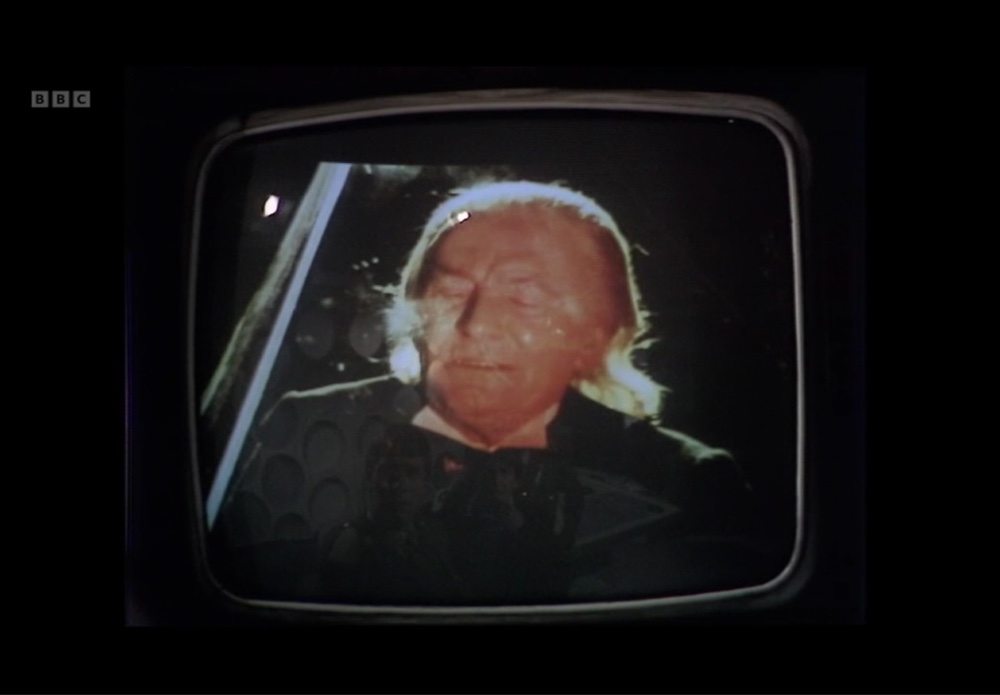
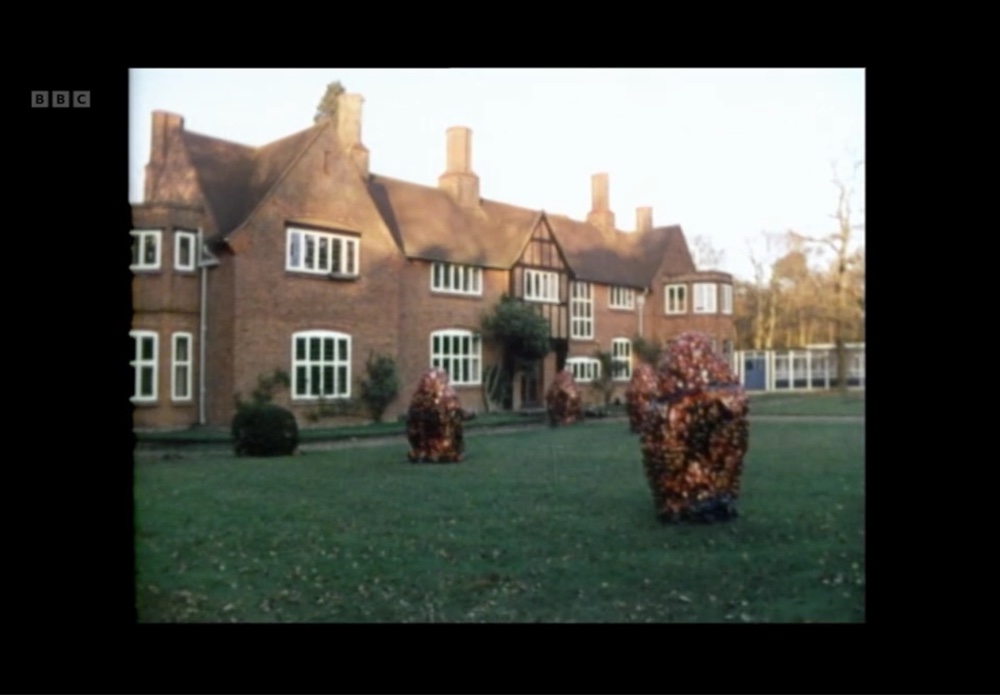
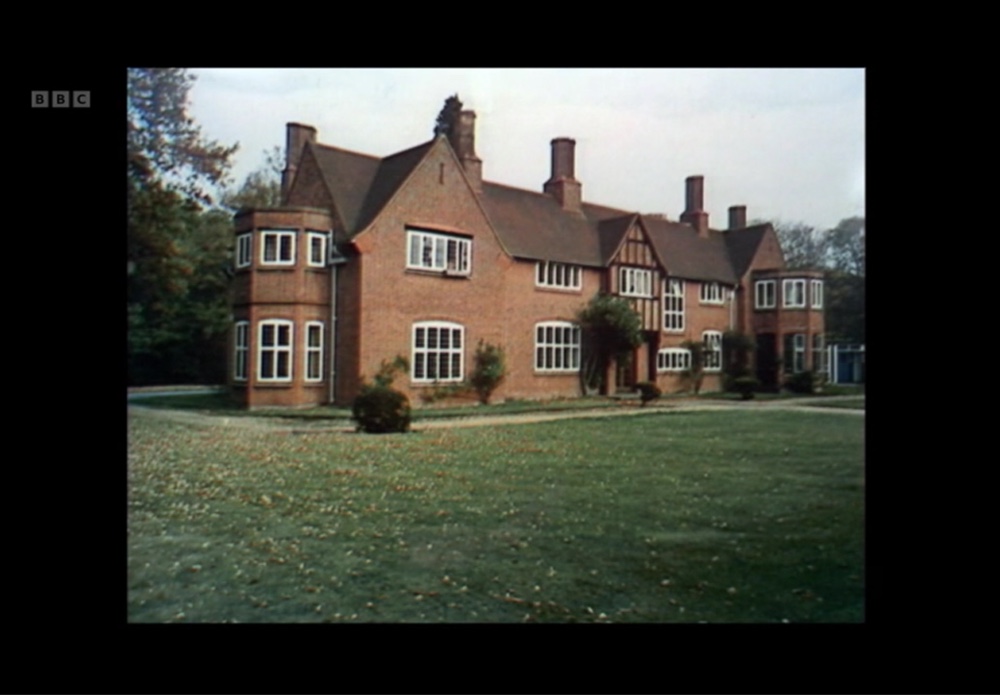
The Frequency is 401 MHz, Handsome
|







No comments:
Post a Comment