Sunday, 15 February 2026

The Principle of Suspicion


Suspicion : 
Um, and uh just apply this 
to The Lucy Letby case. 

Um so The Principle of Suspicion is animated 
by an internal kind of personal conviction 
uh that Your Suspicion is correct 
and because it's correct you can 
proceed and act on that basis. 

Now when People with Power 
hold to This Principle then 
becoming A Suspect is enough 
for you to then be punished

Uh once you've been identified,
essentially, Your Fate is sealed

Now that principle, 
The Principle of Suspicion, 
it's it's irrational with respect 
to basing actions on evidence
but it is an effective way of 
Projecting Domineering Power

And so it strikes fear or even terror into people. 
And that's useful for getting compliance
And the principle of suspicion can also 
make for very persuasive sophistry 
because it it appeals to very 
common ways of thinking. 

You know, we all tend to think that 
our suspicions are correct and so on. 
So there's there's an appeal 
behind this principle as well. 


Um and so I take the principle of suspicion from Hegel. Um and Hegel identifies three eras when the principle of suspicion is is the kind of the defining principle of of the era. Um so he talks about the the period of Rome under the emperors. Uh he talks about the witch hunt mania in the 16th and 17th century. And and he has a brief period as well. the period of a terror uh in the French Revolution. Now reading Hegel, Hegel seems to be optimistic and thinks well we've kind of gone beyond uh operating on this principle now. But unfortunately of course the principle of suspicion uh is not is not a thing of the past. It's something that uh we still have to engage with. And so let's see how the principle of suspicion operates in practice. Um so we there's two ways it operates. You either go straight from suspicion to punishment or you have suspicion and then trial and punishment. So suspicion punishment is very simple. Uh go back to the Roman emperors. You know if the Ptorian guard are out to get you, they get you. Essentially there there's no intermediate stage. Um if you're a boat in the Gulf of Mexico and the American government are out to get you, they get you. You know, again, it's just suspicion straight to punishment. Um so so then there's the there's the three-step process has the the intermediate trial. And if you say, you know, you say a trial, well that that then you might seem that isn't a principle of suspicion because of course in a in a trial these suspicions are tested and and and that of course is correct. So in in a rational trial uh suspicions are indeed tested against the evidence. However, there are also irrational trials in which suspicions are simply fitted to the evidence. I then think that there are there are what we can call hybrid trials where there is an element of rationality in the trial and rationality and the principle of suspicion are in conflict. So as in many other witch hunt trials uh Miss Leeppley's trials I think were hybrid ones where the prosecution uh was based on the principle of suspicion and the defense was based uh on rationality. Let me then move on to Lucy Let's case. Um so the foundation of the case against Lucy Leby I think was one of pure suspicion and the form it took was one of turning an unknown into a kind of a known inner certainty. So it started out if you think about the doctors they think we do not know why the babies collapsed or died. We only know why they didn't. And therefore we do know we know that Lucy Leby did it. And I think that was the essential way in which which they fought. I think that encapsulates it reasonably well. And to justify um the the transition then from not knowing how these babies died or to knowing the persecutors of misle created so-called evidence to fit the suspicion and then refused or only pretended to test the evidence that they'd concocted. This was the evidence then that got Miss Leby convicted and she then went to the court of appeal with her plea to be appeal to to to try and be able to appeal. So let's move on then to the court of appeal uh and look at what the the judges did. So the court of appeal judgment rejecting this plea to be allowed to appeal was was thoroughly irrational I think. Um, and we can ask in penning this judgment, were Dane Victoria Sharp and Lord Justice Horoid and Mrs. Justice Lambert DBE, were they animated by the principle of suspicion? Um, I'm not sure. The idea that these judges might have been so biased is is is, you know, is is a terrible prospect. Uh but the principle of suspicion at least involves an element of sincerity um and alternative explanations of the conduct of these judges such as sort of treating the case as some kind of game or something like that. I think alternative explanations are perhaps even worse. Anyway, whatever the state of their inner consciousness of these judges, uh the court of appeal not only endorsed the irrational arguments of the prosecution, but they added more irrational arguments of their own. Um so so to show this I'm going to critically examine how the judges responded to the defense submission that with respect to intravenous uh injection of air to cause air embolism there was no case to answer that's one of the things the defense said when they wanted said you know we wanted to appeal and that submission of course was correct um this business about introvenous injection of air was founded entirely on suspicion there wasn't ever any evidence but the judges said No, there was there was a strong prosecution case uh for introvenous air injection and they argued this by fitting the expert evidence of both professor Owen Arthur and Dr. Daryry Evans to the suspicions against Miss Leby and also manipulating the evidence that the defense have put forward with defense the evidence of Professor Shulie to make this evidence appear to be quote irrelevant. I'll turn to Dr. Evans is first and and look at what the court of appeals said. So the court of appeal presented what they said was a a hypothetical account of expert witnesses reasoning that Miss Leby made introvenous air injections uh based only on suspicion and you can see it there on the the right hand side of the screen. So the court of appeal said if you know if any witness had given evidence to the effect that he or she could must identify any other possible cause of the baby's collapse and therefore assumed on that basis alone that the baby's collapse must have been due to an embolis that evidence might well be criticized as mere conjecture and that isn't in fact a hypothetical uh account. It's exactly how the expert witnesses reasoned and we can compare it with Dr. Evans when he was interviewed by Dr. Raj Prasad on intravenous air injection shortly after the trial and Dr. Evans identifies as you can see cases where your diagnosis is made by ruling out other factors and you end up with the diagnosis where this is the only explanation. You've ruled everything out. What's left is the diagnosis. However, we should add that Dr. Evans said that sometimes you had what he called a full house a full house of evidence of air embolism and that included evidence of coming from the x-rays and it included evidence with regard to skin discoration and the court of appeal made a similar claim and by dropping Dr. Revans's observation that you only sometimes have a full house, it justified its description of mere conjecture as being merely hypothetical. So according to the court of appeal, the suspicion that Miss Leby made introvenous injections are always supported by a full house of evidence. although their preferred metaphor was a constellation a constellation of factors which was kind of the suggestion that there were kind of countless pieces of evidence there. So we want to then look at how this mere conjecture that the port using portfield's term then was turned into a constellation of factors and two of the ways in which this is done uh was by having the images of gas observed in X-rays of some of the babies being said to form a basis for a diagnosis of their embulus. Again that's a direct quote from the court of appeal. And second, their argument that the skin discoloration uh seen on the babies was said to be consistent with their embolism. So I'll turn first to the x-rays. Uh and uh this is where the the court of appeals supported a pseudo test that was conducted by professor arth. So, Professor Arers, uh, a consultant radiologist at Great Orman Street Hospital and a witness for the prosecution, uh, conducted research in preparation for Mr. Leby's trial and his findings supported the defense. Uh, but he twisted them to support the prosecution. Uh, and instead of criticizing this twisting of the evidence, uh, the court of appeal reinforced it. Um, let me go on to Professor Arthur's what I call professor Arthur's real test. So, so, so Professor Arthur did a I think you know actually a very helpful and genuine test. He he he looked at the pertinent x-rays of at least seven of the babies where Lucille was alleged to have attacked them by means of intravenous injection of air. If he looked at the least seven of these babies or the X-ray images of at least seven of these babies and in imaging of three of the babies he could see gas in the great vessels meaning the blood vessels around the heart. Um what professor aras then did is he reviewed the x-rays of 500 babies who had died at great Orman Street Hospital and where there was no suspicion of intravenous air injection. Uh and he did this as the court of appeal judges put it to to satisfy himself that seeing gas was unusual as as it would be for example if uh imagine if he he'd looked at the 500 cases and he'd only seen in one or two occasions that there was uh uh there was imaging of gas in the great vessels you know only one or two times out of 500 then certainly that would be unusual but in fact professor Al's assumption was refuted because far from being unusual he saw gas in the great vessels in about a quarter of the cases in about 125 cases out of 500. So he saw it about a quarter of a time. So if gas can be seen in the great vessels about a quarter of a time about 125 times out of 500 when intravenous injection is not suspected then is seeing gas three times out of seven is that unusual? Is that suspicious? Obviously the answer is no. It isn't. Um, so as I say with with this review of 500 babies, I think professor Arthus had conducted a real test uh and one that one that showed the jurers who perhaps you know contrary to their intuition um that that seeing gas in the great vessels uh is common place and it wasn't a suspicious society at all. And what what do the judges say about this? They say nothing. um be completely silent on the implications of this finding and then they undertake what philosophers of science call a degenerative problems shift and we try again with 38 of the youngest babies and find that eight of them show gas um is that significantly different from 125 out of 500 or indeed three out of seven no it's not at this point um professor rather and the court of appeal judges run a pseudo test. There's a kind of a roof slate. They take these eight of the youngest babies uh where gas has been found and they don't ask is this unusual? We know that it's not. They ask instead is it unusual for these eight cases to have been unexplained? And and then Arthur says, well, all of these cases at Great Orman Street, we explained all of them. We exp, you know, we we knew why these babies had died. Um so it was indeed unusual for them to be unexplained and and and it was that unusualness that was then used uh by the prosecution to say well what's going on in these three cases where where Lucy Letby was said to be involved. Now there is some inconvenient facts in a sense you know who Arer has done when he's gone down to this test of eight babies. And the first thing which which I find strange is that on the face of things at least even amongst these eight babies at Great Orman Street at least one of these deaths and perhaps several of them um was unexplained because it was classified as sudden unexpected death in infancy. So that's that's a classification of death for sure but it's not an explanation is it? Um and so it's a bit odd to say that none of these eight cases were unexplained. Uh but but still that's that's just what that's what we said. Um and then another inconvenient fact is that and we've already heard about the postmortm reports. And so two of the these uh counters of Chester babies, they had postmortem reports that identified the cause of death as being result of natural causes. And again, that's ignored and they just say, "Well, it's all unexplained. It's unusual. It's suspicious." It is a basis of diagnosis of embolism, but it's not a rational basis, is it? Um so we've got these problems. We've got the fact that there is a sudden unexpected death in industry. Uh we've got a difficulty in that it is not comparing like with like. So if the doctors at the counters of Chester hospital insist on saying they do not know how babies died and if they reject postmortem findings that say that babies die from natural causes um then of course the deaths by their account are going to be unexplained. 

You can't then draw a comparison 
with doctors at another hospital 
who do not hold this kind of suspicious attitude and have accepted postmortem explanations of deaths of eight babies. You just not comparing with you can't draw any kind of comparative conclusion from that. There's also no comparative data on the babies where gas is not observed. So that no figures at all are given for any of the other 492 babies in the original test. I mean we we just don't know uh about how many of their deaths were explained or unexplained. But however we can we can assume I think that unexplained deaths were also going to have been unusual amongst these babies including the approximately 375 babies who didn't have gas uh observed in the vessels around the hut. 

Um and if we assume that that they that they also had deaths that were by and large explained all that professor Arthur has shown is this firstly shown that baby deaths or collapses at countis of Chester hospital in cases where this leby stands accused are unexplained in the eyes of the doctors there and he's shown then second that it's unusual for baby deaths at great orman street hospital to be unexplained. pain. That's all he's show. That's it. Um, let's move on to skin discoloration and making Professor Lee's evidence um irrelevant. The defense had tried to introduce the evidence of Professor Lee who argued that the skin discolorations observed on the babies were not consistent with what was known of introvenous air embolism in the medical literature. And the judges said that Dr. Lee's evidence came too late. However, although they refused formally to consider the evidence, they preserved the appearance of fairness by uh seeming to test Dr. Lee's evidence anyway and finding it. I say we found it irrelevant. Um so the court of appeal um said that Dr. Lee had missed the point and he was insisting that only one specific form of skin discoloration is sufficient to diagnose air embolism. uh but they said you know the kind of the localized transient significant skin discolorations that were so often seen in these babies um that was consistent with their embolism that's what Dr. Lee had found in his own report uh they said and that was all that that mattered. Well, of course it was in fact the judges who had missed a point when Professor Lee reviewed the medical literature uh he found there are no reported cases of localized transient skin discoloration in cases where air has been in accidentally injected into the veins. The judges discussed Dr. Lee's so-called irrelevant elements over 24 paragraphs in their judgment. Uh but they didn't mention that finding. Um they weren't really testing uh Dr. Lee's evidence at all. They were fitting it to the prosecution case by selectively citing and emitting things to make it appear that Dr. Lee was arguing one thing when in fact he was arguing something quite different. Um the court of appeal had another argument against Dr. Liam. was that even if he did have a point, it was still irrelevant as the evidence as a whole showed that Miss Lebby killed or attacked babies in one way or another. And if the prosecution was wrong about intraggina's injection or anything else, this meant only that she killed or attacked the babies by some other method. 

So if we if we we remind ourselves about the original suspicion of the counters of Chester hospital doctors, it was 
"We do not know why the babies collapsed 
or died only why they didn't

Therefore, we do know 
Lucy Letby did it. 

Well, when they dismissed Dr. Lee's evidence, 
The Court of Appeal draws out, I think, 
what This Suspicion really means

The Suspicion really means 
Lucy Letby Did it and 
it doesn't matter how


Um that kind of approach, 
that suspicious approach 
is one that is unfalsifiable

Um The Argument that Miss Letby 
is Guilty because of the whole thing 
makes it impossible ever 
to acquit Miss Letby -- because 
any kind of supposed evidence 
could be fitted to A Suspicion. 

None of the evidence which 
has been made up to convict : 
None of it can withstand testing
It all comes down to cherrypicking or something along those lines. It's all meaningless. But for the very reason that it's meaningless, they can always come up with more. 

You know, it is literally infinite. 

The amount of evidence that the misle persecutors can bring to bear against her has no limit. 

And we've seen that again at the Fewell inquiry always about 40% of tubes dislodged and so on. So in in this way the the the the suspicion that has got Miss Leeppby imprisoned for life has become totally unassalable. Unless you can actually prove that it's impossible for Miss Ley to have carried out the attacks, it cannot be falsified. Whatever evidence is shown to be wrong, there is a ready answer. It doesn't matter she's guilty. It's the whole thing. Thank you. [Applause]

Thursday, 12 February 2026

The Psychology of Women Who ALWAYS Get What They Want


YOU MUST KEEP MOVING OR 
THE MINOTAUR WILL GET YOU

The Psychology of Women Who ALWAYS Get What They Want


DEAD END


once upon a time there was 
a girl with no dreams

she lived in the right now

then she met a boy
and his dream 
became hers

expect what he didn't realise was
she already had a dream

and that dream
was 
to be

care

free


We Bought Them


If I wanted to Lie -- or, 
if We wanted to Lie or 
wanted to exaggerate
wouldn't use, uh, 
My Daughter to Do so --

I could easily buy 
other people to Do it. 


The video news release, the High-tech PR blurb, Hill & Nolton generated an audio-video feast of images for the media. And one of the most compelling was Nayirah

Nayirah Al-Saud Al-Sabah :
".....I could not help but think of 
my nephew, who if born premature might, 
have died that day as well --" sniffle

She seemed to be alone before The Congressional Human Rights Caucus
identified only as “A Kuwaiti Escapee”. 

But we've discovered she wasn't alone at all. 
And she wasn't just a simple Kuwaiti escapee. 
In fact, just a few seats away was her father, 
Kuwait's Ambassador to the United States and Canada. For my people, Naara quickly slipped out of the caucus hearing back into the protective folds of her family, the extended royal family of Kuwait, headed by the Amir Jabir al- Sabah. I have to ask why she was not identified as your daughter when she gave that testimony to the House committee house caucus. Well, for security reasons, I didn't believe it was um uh just for to for her safety. Did uh the human rights caucus members and the chair people know who she was? They knew her identity. They knew her identity and they knew exactly what what the girl was telling them was the truth. How many people knew that she was the ambassador's daughter? 

....I didn't. 
I don't know who who knew --
Uh I I did not know she 
was The Ambassador's Daughter. 

When did you find out she was the ambassador's daughter? 

Uh not uh this is the first allegation 
I've had that she was 
The Ambassador's Daughter. 

Does it affect her credibility in your mind? 

I think uh it certainly should have been known uh at the time of the hearing. 

Uh it would have had bearing 
on what uh she might have said --

Yes, I think people members of Congress certainly and members of the public uh were entitled to know uh uh the source of of uh her testimony, therefore who she was --

If it became known that um it was somebody who was closely associated with obviously putting across a Kuwaiti Government position at a particular time when public opinion was very sensibly balanced in the United States at least about whether or not one should be going to war. 

It was it was a evenly balanced issue. 

Then it could well have tipped the balance one way that this was an entire show that was being arranged. 

Kuwaiti Ambassador Sheikh 
Saud Nasser Al-Saud Al-Sabah :
Whether she was My Daughter
my friendor she was somebody else -- 
I could much more easily...

If I wanted to Lie -- or, 
if We wanted to Lie 
or wanted to exaggerate
I wouldn't use, uh, 
My Daughter to Do so --

I could easily buy 
other people to Do it. 

Did you think it would affect her credibility if people knew that that she was your daughter that she was part of the 

I had no problem with credibility. 
I think the girl came and spoke and told them what she actually saw with her own eyes. That wasn't just one person. There were a series of people who saw this whole thing happening. When we went back to Kuwait and we were we we interviewed many of the people who were there, they all all the testimony corroborated each each other. They're also the same thing. There weren't any incubators left behind in Kuwait anyway. We had to buy everything. Now, they ship it. 

Now, some of the human rights groups that that raised this in the first place, notably Amnesty, Middle East Watch, say that they went back there, they that when they investigated on the ground, first of all, all the incubators were accounted for. There was no incubators gone. 

And secondly, they could the only person who had who could claim to be an eyewitness to the atrocity was your daughter. 

I'm sorry about The Report, but what they saw is the new ones we bought, because we bought them and we had them airlifted to Kuwait immediately after Liberation. 


It's a very interesting story!

Pediatrician Ian Pollock. 

Well, it's an absurdity. The the amount of I mean, as we left on the third week, they still weren't getting water and food in properly, let alone medical supplies. I mean, it was the place.. the organization was very, very poor. 


Dr. David Chu found there was equipment missing from Kuwait hospitals, things like dentists chairs and very little had been replaced, especially not incubators because they were never taken in the first place. When I asked the engineer, one of the engineers about the story and he told me that uh they should not have had such a story because if the world had known about it later on, it would have come back to haunt them. These are some of the controversial incubators. When the Iraqi occupiers heard the story that they'd stolen them and killed babies in the process, they invited journalists into Kuwait hospitals to see for themselves. But the story persisted until independent investigators arrived on the scene. Then the picture started changing. The doctor who gave amnesty the information that babies died revised the number down to It finally settled at , of which died before the Iraqis arrived. The story evaporated. The number of people who you could find who had seen premature babies who had died unnecessarily was zero. It was horrifying. But what of Na's story that as a volunteer in one of the hospitals, she saw the atrocity? Would you let us talk to the one eyewitness we've been able to find? Who's your daughter? Would you let her tell her story to us about what she saw? I believe there is no reason why she told it to the whole world. So what she has told the whole world, I think there is no reason why she'd be telling you. I mean part of the whole system. But what the world didn't know at the time was that the witnesses appearing before the Congressional Human Rights Caucus that day were carefully coached by Hilland Nolton. There was training with these individuals to help them get more comfortable with the setting, the circumstances, the questions so that they could focus on their story. You know, that was clearly one of the roles that uh that Hill Nolton was able to help them with. A cynic might suspect that a $ million public relations campaign conducted by a major sophisticated agency like Hill and Nolton may have led uh to some excesses bordering on disinformation. That's um I think an exaggeration of of the views here. There wasn't a public relations media drive to to win the the emotions of the world with the Kuwaiti people because the facts spoke for themselves. Why was it necessary to to spend $ million? Who spent $ million? I don't know. You've been trying to drive this point. Well, no, it's it's on the record. Citizens for free Kuwait paid that much money to Hill and Nolton in a period of five or six months. Well, they paid um that much money to public relation firm because they are concerned citizens who are happen to be in this country when the invasion took place and they need people to help them. But we didn't need to do so as a government as an embassy. But Hill and Nolton documents disclose that the committee for a free Kuwait includes members of the Kuwaiti government. And the PR firm provided services to the ambassador himself, including daily assessments of his public performances and image. And as the weeks went by, even his appearance changed. Now, this is the situation we're facing is how are we going to put an end to this? So, we would get uh like the Kuwaiti ambassador and things that he would say and we would be able to go back to him the next day and say out of the out of your uh things that you said in a halfhour speech, here are the three things that work really well that really hit a responsive cord in the American public. 
It's terrifyingly effective public relations and a fantastic, incredible subversion of democracy. When you begin allowing public relations firms to set the agenda to make the decision on whether in a s in a sense to to organize the debate about whether whether or not we're going to go to war. 
That's the view of John Richard MacArthur, publisher of Harper's Magazine. He's investigated the role of propaganda in selling the Gulf War and he's written a book about it coming out this spring. He's also explored the impact of that congressional hearing and a startling conflict of interest at the highest level.
 The at the time Congressman Porter and Lantis chaired the hearing on Kuwait, they also headed a private group, the Congressional Human Rights Foundation. 
MacArthur discovered a disturbing link between the Human Rights Foundation and the PR firm that was selling the war. 
The Congressional Human Rights Foundation literally operates out of Hill and Nolton's offices uh on the second floor of an an office complex called Washington Harbor in Georgetown. 
Hill and Nolton provides a $3000, in-kind charitable contribution to the Congressional Human Rights Foundation in the form of a rent reduction for the office space. The link between Hill and Nolton and the Human Rights Foundation doesn't end there. Frank Manowitz, vice chairman of Hill and Nolton, became a director of the Human Rights Foundation. And there are other interconnections. Citizens for a free Free Kuwait, donated $50,000 to the Congressional Human Rights Foundation after Iraq invaded Kuwait. a dramatic Congressman 
John Porter, co-chair of the Human Rights Caucus and now honorary co-chair of the Human Rights Foundation. the contributions that uh that uh came later from Citizens for Free Kuwait, I think were were uh given because uh they felt we had uh by holding the hearing and and allowing the American people to hear uh some of the atrocities going on in Kuwait uh were were helpful toward their goal of of ultimately freeing their country from the Iraqi invaders. 
And Hill and Nolton's connections don't just lead to the Human Rights Foundation, but straight into the White House, handling the Kuwaiti account for Hill and Nolton was Craig Fuller, chief of staff for George Bush when he was the vice president. 
Fuller attends domestic meetings, lunch meetings at the at the White House in the fall, at least one meeting where where policy uh in the Gulf is discussed. in fact, public relations policy because the meeting that Fuller goes to is all about how Bush can sell the war more effectively. 
Hill and Nolton Washington has circulated this material as the International Communications Council for Citizens for a Free Kuwait. 
To help sell the war, America's largest PR company entered the news business. Serve in in Congress in the There were daily newscasts and tempting sound bites. 
Adam is saying is uh better be worried that if he starts something we're going to finish it. 
Diplomacy alone rings hollow. 
Prayers that we pray for the peoples of Kuwait who are suffering very bitterly. 
Reports from the front. 
This is Ahmed Hammuda reporting from Saudi Arabia. 
Brought to the heartland by Hill and Nolton. 
Saddam Hussein was probably defeated in Kuwait before the American troops got there by the public relations campaign that persuaded the American people to send them. 
And I do hope that through you and through our friends in the United States, we can all find somehow any measures for rescuing my people.
 took the incubators and left the children to die on the cold floor. 
When you look back in retrospect, the things that stand out in your mind are some of those pictures, some of those images, some of those stories, and you think that in fact there was uh uh uh the kind of outcome we wanted to happen happened. 

She was a 15-year-old school girl and her story shocked an audience that extended far beyond the hearing room. 

"While I was there, I saw the Iraqi soldiers come into the hospital with guns. They took the babies out of the incubators, took the incubators, and left the children to die on the cold floor." 

Q. : Would you let us talk to the one eyewitness we've been able to find was your daughter? Would you let her tell her story to us about what she saw? 

I believe there is no reason why, 
she told it to the whole world.

Wednesday, 11 February 2026

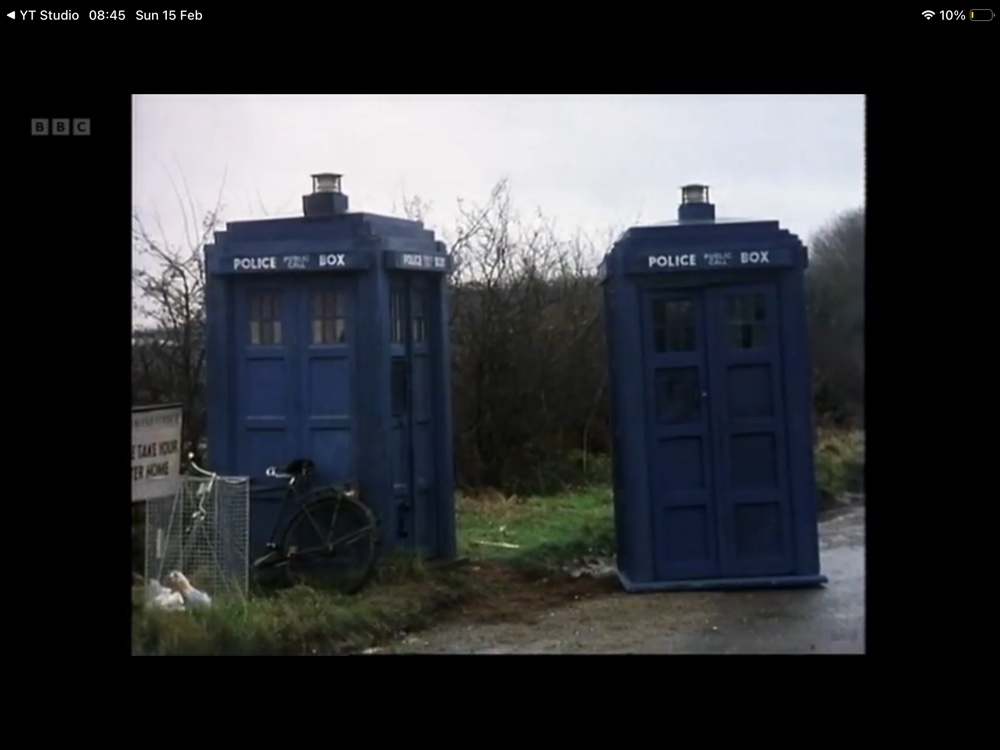
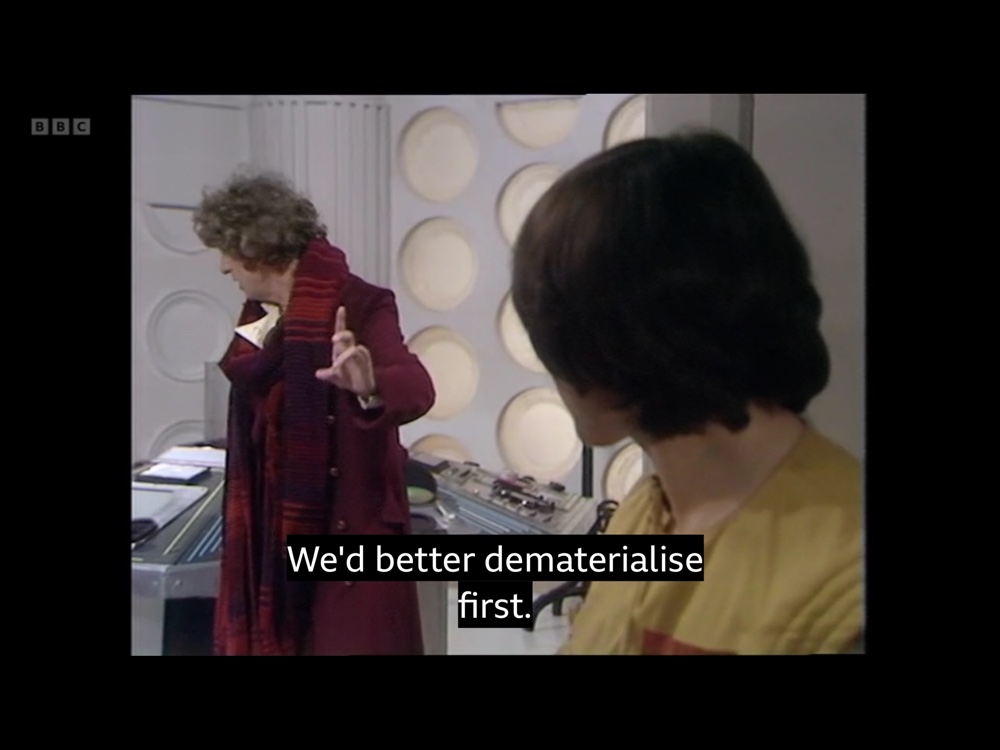
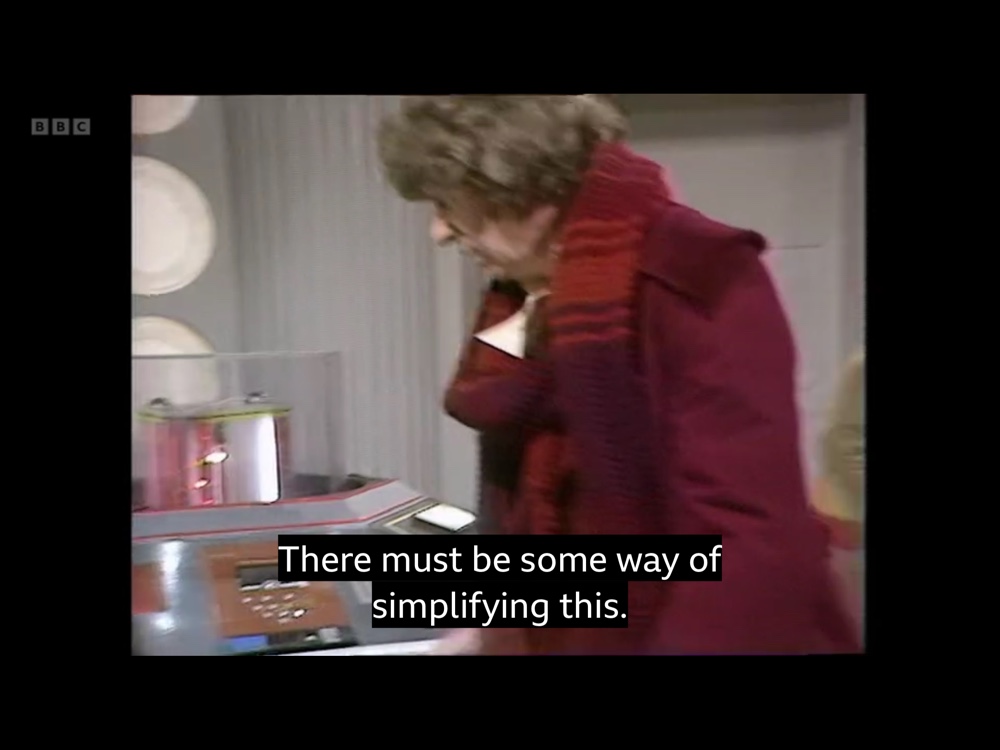
.....We'd Better Dematerialise, First --


ring, ring --

Hello, I.T. --

Yeah, Have You Tried Turning 
it off and Turning it on again?

....Yeah, okay, bye.

(You're Welcome.)


Tuesday, 10 February 2026

My Machine can’t Think


OCTOPUS : When Legend Becomes Fact

OCTOPUS : When Legend Becomes Fact


Ostension -- 
is a term borrowed from 
The Discipline of Semiotics.
The Term We use, when 
Legend, becomes Fact --

Because People like 
to PLAY with Legends.

They'd like to Help Make 
them Become Real.

(Deny, deny, deny, die, die.)

Hundreds of stories circulate 
among millions of people —
In most cases, The Story 
simply gets passed on. 

But sometimes
The RIGHT Story contacts 
The Right Person; maybe 
The WRONG Person. 

And then The Legend is like 
A Seed that starts to GROW 
in that person's Mind, or like 
A TUNE he can't get out of his head. 

These are the people that might 
be compelled to act-out The Legend story. 

Pets HAVE been cooked in microwaves, 
for a variety of reasons.

Several people who are 
HIV-positive have DELIBERATELY slept 
with new partners, with the INTENTION 
of passing The Disease on. 

All these events happened AFTER 
The Legends describing similar events 
had become popular

Consider the 1974 
Trick-or-Treat Murder 
in Houston, Texas
An 8-year-old boy really 
WAS poisoned through 
Trick-or-Treat Candy;

His Father had taken out 
Life Insurance on 
The Boy previouslyso 
he was the one accused

His Defence was, that he'd seen 
A Hairy-handed Stranger PUT 
The Candy in the boy's bag.

The Father was convicted. 
The Judge set the following Halloween 
as the date for his execution. 

Murder by LEGEND. 
Defense by LEGEND. 
A Judge set on creating 
his OWN Halloween Legend.

We as Folklorists must acknowledge that 
so-called Urban Myths or contemporary Legends 
exist not simply as Verbal Texts  to be collected, 
transcribed, and tucked into The Archives. 

They are also Maps for Action, 
sometimes VIOLENT Action.

I mean, that's what Ostension should Teach You :

Folklore, can KILL You..!”

Monday, 9 February 2026

The Temple of Kroll


[Kroll's Temple]


(As clouds gather overhead, the drums beat, 

and Rohm-Dutt and Romana have already been tied to a pallet with creepers.)


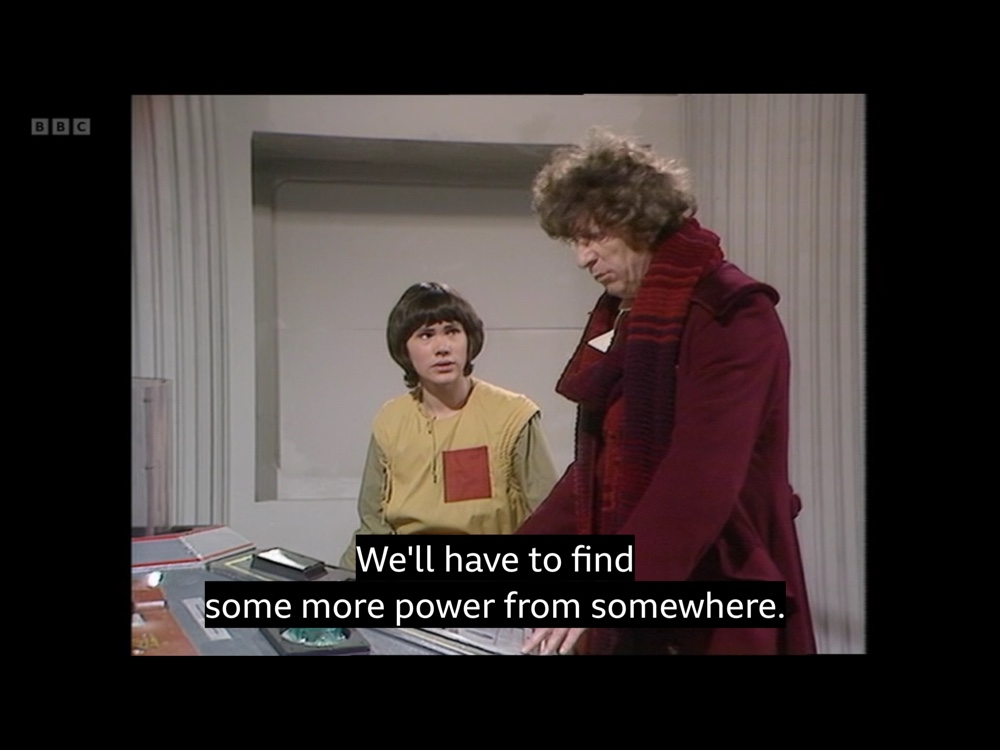
DOCTOR: I don't remember that last night. Early Samoan influence? 

(He lies down on the pallet to be tied up.) 

DOCTOR: Interesting how traces of Old Cultures survive, isn't it? 


ROMANA: I'm rather more interested in surviving myself

DOCTOR: Well, that's understandable at Your Age. 

Still, I prefer it to Gothic Perpendicular. 


ROHM-DUTT: Varlik. Varlik? What is this seventh ritual? 


VARLIK: It is the slowest of all. 


ROMANA: I knew it. 


VARLIK: I tried to persuade Ranquin that only Rohm-Dutt 

deserved to be punished by The Seventh ritual and that 

you others should die by The First. That's very easy. 

They just Throw You down The Pit and Drop rocks on You. 


ROMANA: Oh, thank you. It's nice to know who your friends are. 

VARLIK: Ranquin says that Your Crimes are Too Serious

Kroll will only be appeased by extending Your Death-agonies. 


DOCTOR: You know, that window's quite out of place. It's not in character at all. 

ROMANA: Will you stop babbling about The Architecture? 

We're having a serious conversation about Death


DOCTOR: Well, Architecture's quite a serious subject. 

Skart, Where did that window come from? 


SKART: What window? 

(That big round glazed thing in the roof.) 


DOCTOR: What? That window up there. 


VARLIK: It was brought from Delta Magna when The Temple was first built

DOCTOR: I'd have sacked him. 

ROMANA: Who? 

DOCTOR: The architect. 

ROMANA: Look, are You trying to take My Mind off 

something, because you're almost succeeding. 


DOCTOR: Did I tell you about the time I was a child? 


ROMANA: I don't want to hear it. 


DOCTOR: It was A Question about  —


ROMANA: I don't want to hear! How long does this take? 


VARLIK: To Die? Depends on The Sun


ROHM-DUTT: Skart? Skart, what has The Sun Got to Do with it? 


SKART: As The Creepers dry, it shortens them. It pulls The Plank —


DOCTOR: Ah! And snaps our spines! How ingenious

Now I know The Purpose of The Window. 


ROMANA: You'll be able to Die happy, won't you. 


DOCTOR: What is, what? 


VARLIK: I'm sorry this Has to Happen

but if Kroll's not appeased He will not 

Help The People of The Lakes. 


DOCTOR: Well, He didn't Do much for You last time, Did He? 

Killing The High Priest and swallowing The Symbol of Power. 


RANQUIN: Is all prepared? 


VARLIK: All is prepared. 


RANQUIN: Great Kroll. Great Kroll, Defender and Saviour

these despoilers and profaners of The Temple are condemned to die 

according to The Seventh Holy Ritual of the Old Book. May their torments 

avert Thy wrath from The People of the Lakes, Thy only True Followers and Believers, 

O Most Powerful One. So Let it Be


(Ranquin lights two torches.) 


RANQUIN: Before Your Deaths, 

if You have anything to say 

to The Servant of Kroll, let it be said.


DOCTOR: Why don't you just let the whole 

thing drop, Ranquin? You've made Your Point. 


RANQUIN: Foolish levity. Leave


DOCTOR: Oh, you're not leaving —

Aren't you going to stay and watch


RANQUIN: We're not Savages. 

Suffering is unpleasant to Witness. 


DOCTOR: It's even more unpleasant to experience.

Ranquin, What was The Secret of Kroll's Power? 


(Ranquin dismisses Varlik and goes over to the Doctor.) 


RANQUIN: 

What do you know of that, Dryfoot? 


DOCTOR: I've read about it somewhere. 


RANQUIN: 

Kroll had The Power 

of The Symbol. He sees all


DOCTOR: Yes, I know Kroll has it now, but what was it? 


RANQUIN: 

The Symbol was a Holy Relic 

brought here by Our Ancestor

at The Time of The Settlement


DOCTOR: Yes, but what was The Power? 


RANQUIN: He who holds 

The Symbol can see The Future. 


The Power revealed how The Dryfoots 

would Destroy Delta Magna with 

their fighting and their greed and 

the evil of their great cities. 


That is why My People 

came to settle here. 


DOCTOR: 

Your People were evicted 

from Their Homeland, Ranquin. 

You had No Choice


RANQUIN: What Do these Questions 

matter to you who are already dying


DOCTOR: 

I like to get things straightened out. 


ROMANA: 

Must you use expressions like that? 


RANQUIN: 

Your Mind is bent, Dryfoot. 

It's Well that You Die


DOCTOR: 

He's got narrow little eyes. You can't 

hypnotise people with narrow little eyes. 

(Ranquin leaves.) 


ROMANA: Oh, that's 

what you were trying to do. 


DOCTOR: Yes, trying to persuade 

him to untie us. Our only chance. 


ROHM-DUTT: How long have we got? 

DOCTOR: I don't know the contraction rates of creeper, 

or the breaking point of bones and ligament. 


ROHM-DUTT: I can feel it dragging already. 


DOCTOR: Sorry you didn't stay on Delta Magna now, eh? 

Who paid you to bring The Natives guns? 


ROHM-DUTT: Thawn

He wanted an excuse to wipe them out. 


DOCTOR: And who do 

they think brought them? 


ROHM-DUTT: I told them The Guns 

were sent by The  Sons of Earth. Oh, 

I got a signed receipt, too, for Thawn 

to use to discredit them. 


DOCTOR: Why The Sons of Earth? 


ROHM-DUTT: Do you have to keep 

asking Questions at a time like this now? 


DOCTOR: No, no, no, no, shush

Why did Thawn want to 

discredit The Sons of Earth? 


ROHM-DUTT: They're 

a crank organisation. They support 

These Primitives. They want 

Thawn's Company to pull out


ROMANA: 

Why Do They call themselves 

The Sons of Earth’? Not that 

I care very much…..


DOCTOR: No, no, no, no, 

that's a very Good Question — 

After all, none of Them can ever 

have seen The Earth….


ROHM-DUTT: 

‘Mother Earth’, They call it - 

They believe 

Colonising The Planets 

is A Mistake

They want Us all to return 

to The Earth and starve


Oh! Oh! My ankles are breaking! 

DOCTOR: Imagination.


(The creepers are drying out, and the planks holding their ankles is moving away slightly.) 

ROMANA: I can't breathe. 

DOCTOR: Don't give up. Don't give up. How are you doing, Rohm-Dutt? 

ROHM-DUTT: Oh! Oh, my back's breaking. 

DOCTOR: Stretching's good for the spine. Well, up to a point. 

ROMANA: I think I'm past the point. 

(Thunder rumbles.) 

DOCTOR: I think we're in for a storm. 

ROMANA: Oh, no. 

DOCTOR: No, no, no, no. Electrical storms on planetary satellites can be quite spectacular. 

ROMANA: What a pity we can't sit up and watch it. 

DOCTOR: Ha, ha. Just relax your muscles. 

ROMANA: It's not my muscles I can't relax, it's my vertebrae. They feel like beads on a piece of, ow, elastic.


[Settlement]


VARLIK: They are not 

from The Refinery, Ranquin. 


RANQUIN: They are Dryfoots


VARLIK: Well, so are 

The Sons of Earth, and 

We need their support on Delta Magna


RANQUIN: We no longer need 

their support, Varlik. We have Kroll


VARLIK: Do We? I begin to wonder


(Lightning right on cue, 

then The Rain pours down.


RANQUIN: Have A Care, Varlik. 

Kroll is Our God and Protector


VARLIK: Kroll killed Mensch

Is that protection? If He's Our God

why has he attacked us in The Past? 


RANQUIN: He punishes Us 

when We displease Him, 

and He punishes those who 

Displease His Servants, Varlik. 


[Kroll's temple]

DOCTOR: What we need are hailstones big as bricks.

(The window is leaking. Doctor tries a scream at a specific pitch.) 

ROMANA: It's not that bad yet. 

DOCTOR: I'll try a pitch higher. 

ROMANA: What? 

(He does, and The Glass shatters.) 

DOCTOR: Nellie Melba's party piece, though she could only do it with wine glasses. 

ROMANA: The tension! It's easing already. 

DOCTOR: Come on. Pull, Rohm-Dutt, pull! We've got to stretch these creepers while they're still wet. Come on, pull! Pull! Another foot. Come on! Come on. You too, Romana, pull. Pull! Pull! 

(They get the creepers stretched enough to bend their knees. The Doctor has enough slack to unfasten his hands.) 

DOCTOR: There you are. Now you all know what it's like to be within an inch of death. 

ROMANA: Doctor. 

DOCTOR: Patience, patience. Another minute won't hurt. 

(He pulls out the pin and opens the stock.) 

DOCTOR: Feet out! 

(He takes a penknife from his boot and cuts Romana and Rohm-Dutt free.)

DOCTOR: Come on. 

ROMANA: That's funny, my nose has stopped itching. All the time I was tied up —

DOCTOR: This is no time to start talking about noses. 

ROMANA: Yes, I know, but it's just that it's a textbook example of Displacement Anxiety. 

DOCTOR: Listen, if it's an anxiety you want, look. The storm will be easing shortly and the Swampies will be coming out from under their umbrellas. Let's get out of here. Come on!


[Kroll's Temple]


SKART: They've gone

The Sacrifices have gone! Come quickly! 


VARLIK: Kroll has been here. 


SKART: No, it's not possible. 

There would have been more damage


RANQUIN: Someone must have 

helped them. They could not have 

freed themselves. 


VARLIK: Yes, well, 

nobody here would Help them. 


RANQUIN: Are you sure of that, Varlik? 


VARLIK: What? 


RANQUIN: You argued 

they should be freed. You were the one 

who wanted to stop The Ritual of Kroll. 


VARLIK: I asked you to stop The Ritual, 

Ranquin. That's all I did, I swear that. 


RANQUIN: 

By The Powers that I Hold, 

I shall learn The Truth — 

But if The Dryfoots are 

not found and sacrificed 

according to The Holy Ritual, 

then all My People will 

suffer The Anger of Kroll! 


SKART: 

They cannot have gone far, Ranquin. 

No Dryfoot knows The Secret Paths through The Swamps. 


RANQUIN: Go after them and find them!